



Australians have always had a strong appetite for technology, but something has shifted in the last couple of years. The home is no longer just where you sleep and eat. It is increasingly a place where people work, train, entertain, and track their health and the gear that fills those spaces is getting a serious upgrade.
From the living room to the wrist, the way we interact with tech at home has become more intentional. People are no longer just buying the cheapest option. They are thinking about how things look, how they fit their lifestyle and how long they will actually last.
Here is a look at some of the areas where Australians are making smarter choices with their home tech in 2026.
The living room is getting a rethink
For years, the default TV setup in most Australian homes was a flat screen mounted to the wall and left there permanently. It made sense at the time, but life has become a lot more flexible since then.
More people are working from home a few days a week, using their TV screen as a secondary monitor for presentations, video calls, or side-by-side research. Others want the option to move their screen between the living room and a home gym, garage, or outdoor entertaining area without the cost and hassle of installing a second set.
That is exactly where flexible mounting solutions come in. A well-built heavy duty mobile TV stand gives you the freedom to reposition your screen whenever you need to, without pulling cables out of walls or calling a tradesperson. For families with kids who use screens for gaming, streaming and schoolwork in different rooms, the convenience factor alone makes it worth considering.
The quality of these stands has also improved considerably. Industrial-grade options now support larger, heavier screens, and include cable management systems, height adjustment and stable locking mechanisms. Whether you are setting up a shared family space or a more professional home office environment, there is a stand designed to handle the load.
It is also worth thinking about the longer cultural conversation around screens and how we use them. As we discussed in our piece on television at 100, the screen that once united households is now a far more personal and fragmented experience. Having the physical flexibility to move and share your screen can actually encourage more communal viewing, which feels like a small but meaningful counterweight to that trend.
Wearables are the new everyday carry
If the living room is where Australians are rethinking their screen setup, the wrist is where personal tech is having its biggest moment. Smartwatch adoption has grown steadily across Australia, and the Apple Watch in particular has become a fixture for people across a wide range of age groups and lifestyles.
It is not hard to see why. The health tracking features alone, which now include blood oxygen monitoring, ECG readings, sleep analysis and crash detection, make it genuinely useful beyond just checking the time or reading notifications. For anyone managing a chronic health condition or simply trying to stay on top of their fitness, having that data available at a glance throughout the day makes a real difference.
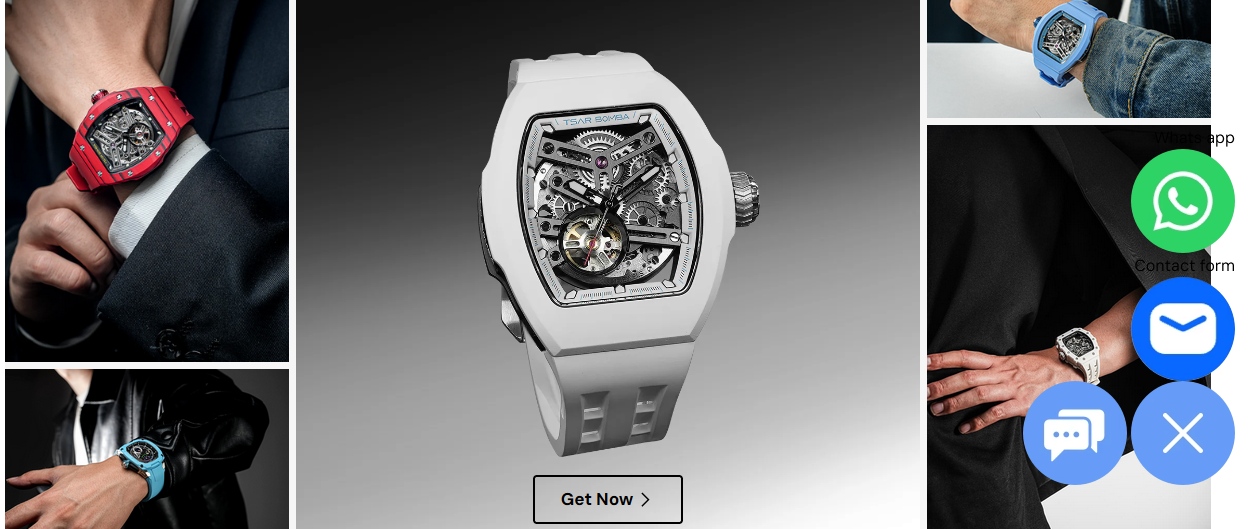
But here is the thing that a lot of Apple Watch owners figure out fairly quickly. The band that comes in the box is fine, but it is rarely the best option for every situation. A silicone sport band is great for workouts but can feel too casual in a professional setting. A stainless steel link bracelet looks sharp at a meeting but is not exactly ideal for a Saturday morning run.
That is why swapping bands has become such a popular way to personalise the experience. If you want to find Apple watch bands in Australia that cover all of those scenarios, there are now far more options available locally than there were even two years ago. From breathable woven nylon to premium leather and titanium finishes, the right band really does change how the watch feels and what it works for.
It is also a surprisingly affordable way to refresh the look of a device you already own. Rather than upgrading to the latest model every year, a couple of well-chosen bands can make your existing watch feel brand new and fit seamlessly into whatever you are doing that day.

(Image supplied)
Buying smarter, not just buying more
One theme that runs through both of these trends is the move away from throwaway purchases. Australians are increasingly looking for gear that is built to last, that can adapt to changing needs, and that does not need to be replaced every 12 months.
A heavy-duty TV stand that can handle a 75-inch screen and roll smoothly across different floor surfaces is an investment that makes sense if you move house, redecorate, or just change how you use your space. A quality Apple Watch band made from durable materials will outlast several cheaper alternatives and feel better on your wrist in the process.
There is also a growing awareness that the accessories and peripherals around a device matter just as much as the device itself. The best TV in the world is frustrating if it is stuck in the wrong position. The most capable smartwatch does not get used to its full potential if the band is uncomfortable or looks out of place in certain settings.
Getting both right is less about spending more money and more about being deliberate with the choices you make.
Final thoughts
Australian homes in 2026 are more connected, more flexible and more personalised than ever before. The tech trends driving that shift are not about buying the flashiest new gadget. They are about making the technology you already use work better and fit more naturally into your life.
Whether you are setting up a living space that can genuinely do double duty, or building an Apple Watch kit that matches your daily routine from sunrise to evening, the products that make the biggest difference are usually the ones you interact with every single day. Getting those details right is what separates a frustrating setup from one that actually works for you.