


Microsoft and others had at least years, if not more than a decade, to get tablet computers right — but then on January 27, 2010, Apple brought out the iPad and showed them how it should be done.
It’s well known that Apple likes secrecy, but generally it’s assumed that the company just doesn’t talk about anything until it is ready. (Apple Intelligence notwithstanding.)
But just sometimes, Apple will out and out lie. Steve Jobs did, for instance, when he was being pressed about the Amazon Kindle, and didn’t want to reveal that Apple Books was coming.
Instead of “no comment,” in that case Jobs went so far as to say that “people don’t read anymore.” He didn’t diss the Kindle, he dismissed it.
And then similarly in 2003 when journalist Walt Mossberg asked him about tablets, Steve Jobs lied. “We have no plans to make a tablet,” he said at the D: All Things Digital conference. “We look at the tablet and we think it’s going to fail.
“Tablets appeal to rich guys with plenty of other PCs and devices already,” he continued. “And people accuse us of niche markets.”
In the same breath, he did dismiss smartphones too — “we didn’t think we’d do well in the cellphone business” — so maybe he meant it at the time, maybe he changed his mind later. But that was May 2003.
On March 2004, the iPad wasn’t just an idea, Apple was filing for a patent on it.
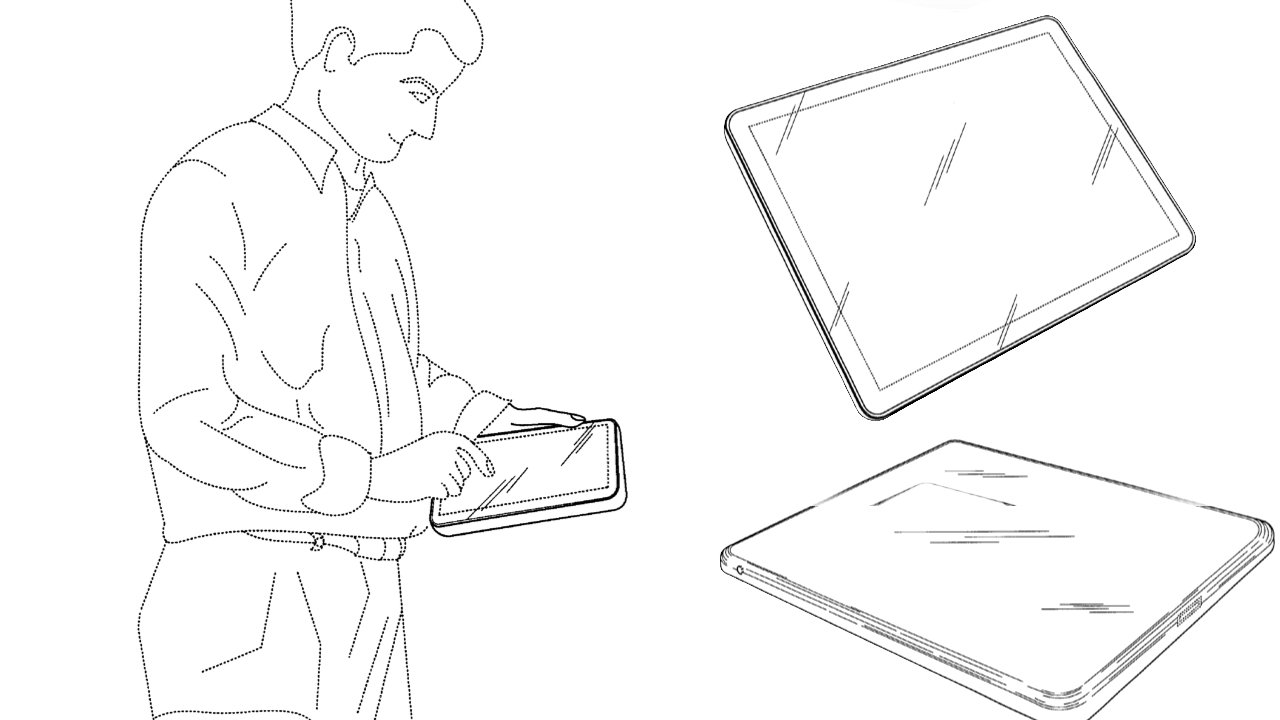
Detail from the 2004 patent showing — unmistakably — the iPad that wouldn’t come out until 2010
There are 14 inventors credited on that filing. But they include both Steve Jobs and Jony Ive.
Specifically, it was an ornamental design patent application, showing just what is now a familiar iPad shape. There’s also a drawing of a man using it — and using it with his finger, not a stylus.
That now seems normal, despite how useful the Apple Pencil stylus has become. But back in 2003/2004, tablets were things you wrote on with a stylus.
They were things made by Microsoft that you wrote on with a stylus, while trying to balance the heavy device in your other hand.
It’s very unclear now what the sequence of events was with Steve Jobs deciding to make a tablet. Walter Isaacson, Jobs’s official biographer, is particularly irritating on this point because he only sporadically dates events and appears to recount them out of order.
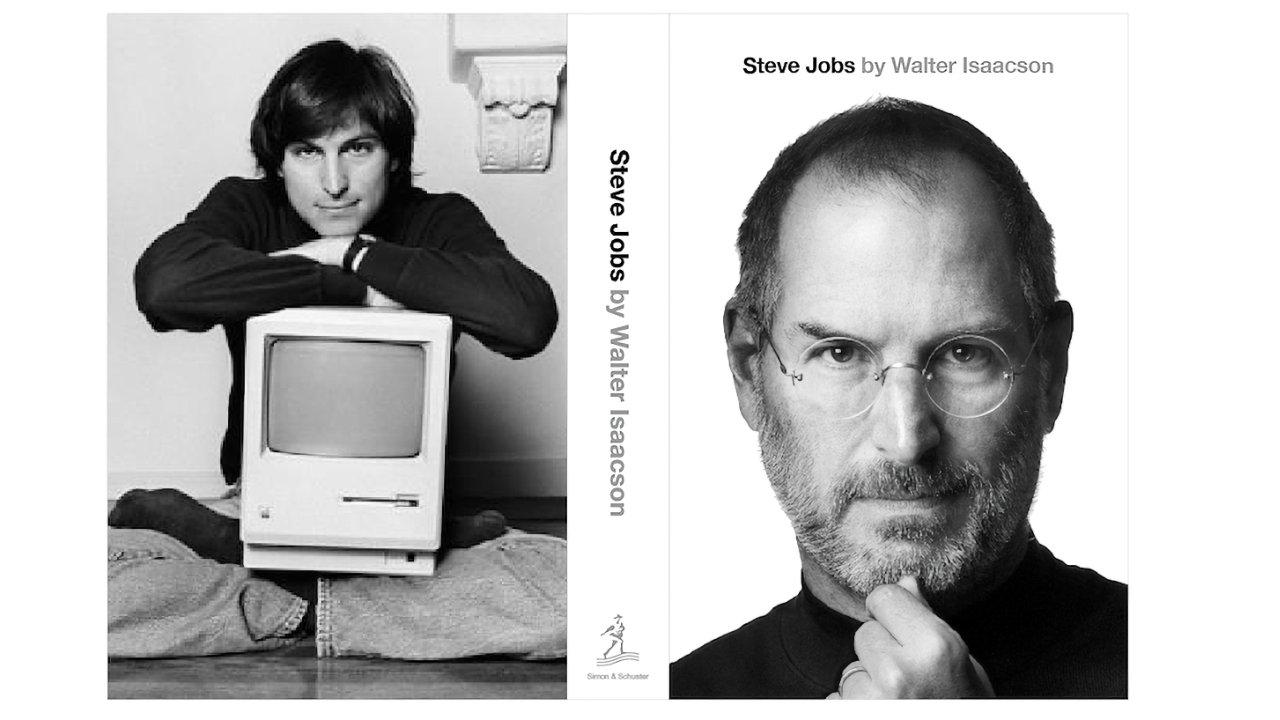
The biography of Steve Jobs is a mess but contains great anecdotes
So for example, after recounting the patent and the 2003 quote about not making a tablet, Isaacson reveals exactly when the real decision was made. It was on the unnamed day after an unnamed man’s 50th birthday dinner party.
That man was a senior Microsoft engineer and both Jobs and Bill Gates were at this dinner party. Both were annoyed, too, because this engineer was boasting about tablets that Microsoft had yet to announce.
Gates didn’t want his secrets told to Jobs, and apparently Jobs just wanted the guy to please shut up.
“This guy badgered me about how Microsoft was going to completely change the world with this tablet PC software and eliminate all notebook computers,” Jobs told Isaacson, “and Apple ought to license his Microsoft software.”
“But he was doing the device all wrong — it had a stylus. As soon as you have a stylus, you’re dead,” he continued. “This dinner was like the tenth time he talked to me about it, and I was so sick of it that I came home and said, ‘F*** this, let’s show him what a tablet can really be.'”
Jony Ive and multitouch
Again, accounts vary over when any element of the iPad really began, but according to Jobs it then took Apple engineers six months to create a prototype screen. Jony Ive, though, says they already had the prototype, and that he demonstrated it to Jobs.
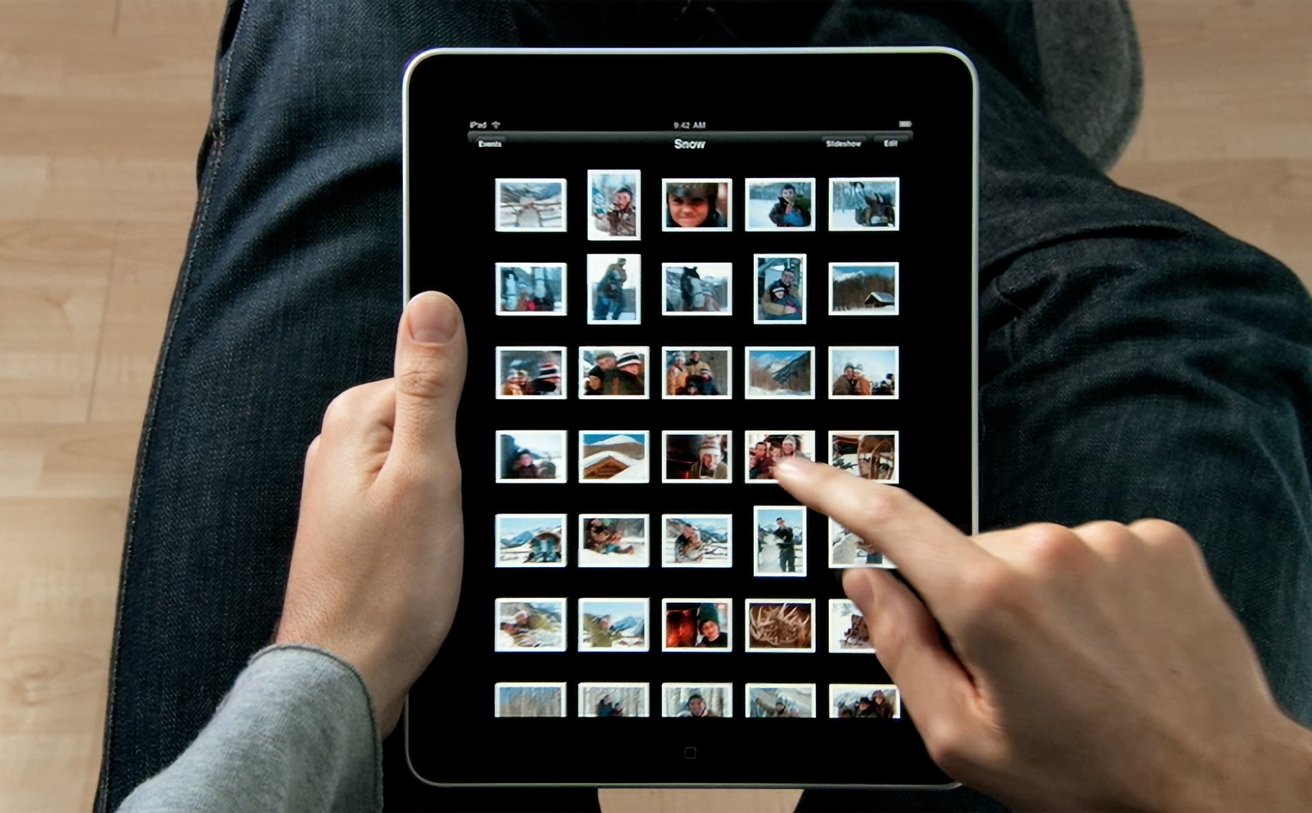
It wasn’t just that you touched the iPad instead of using a stylus, it was that you could do gestures and use more than one finger — image credit: Apple
Either way, Apple had at least a basic prototype screen where you could touch it in different places, and with more than one finger. They had the start of what would famously become known as multi-touch when it was used on the iPhone.
By all accounts, it was Jobs who decided this iPad-sized multi-touch screen was needed for the iPhone. So regardless of annoying Microsoft engineers, Jobs postponed the tablet project.
All of the development that went into the iPhone, though, would then be used in the iPad. So much so that the iPad was initially criticized for being no more than a larger iPhone.
From Slate to slated
By 2009, it wasn’t exactly an open secret that Apple was working on a tablet, but it was near enough. Apple wasn’t saying anything, but it was at least presumed to be, since a tablet version of the iPhone seemed an obvious next step.
This time Jobs didn’t lie about tablets, but Apple did go to some lengths to hide the truth — and took those steps early. While it wasn’t known until December 2009, Apple appeared to have been behind a firm called Slate Computing some years before.
This Slate Computing, or possibly Apple directly, had applied for a trademark on the terms “iSlate” and “Magic Slate.” It also owned the domain, iSlate.com.
Three guesses what the technology industry expected Apple’s table to be called. And then no guesses at all what Microsoft called the tablet it launched in January 2010, days before the iPad came out.
That particular Microsoft “slate PC” turned out to be one of very many slate computers at the Consumer Electronics Show that year. The word was used so often by Microsoft’s Steve Ballmer that it started to lose all meaning.
And then on January 27, 2010, Steve Jobs unveiled Apple’s new device with the name iPad. That name was roundly mocked, and especially well by Alissa Walker, who wrote “Apple’s iPad Name Not the First Choice for Women. Period.”
But Apple had published the name “iPad” earlier, just not in a way anyone could have spotted. It had created a British company called “IP Application Development,” aka “IPAD Ltd,” for instance.
Nonetheless, when the device was officially unveiled as “iPad,” it wrong-footed all of the slate computer manufacturers. It also got more than its name criticized, though.
Not “available today”
Even during Steve Jobs’s time, Apple’s famous ability to launch a product and at the same time say it was “available today”, was waning. Complex devices with radios in them need regulatory approval, and Apple does not want its products revealed in filing documentation.
So while Steve Jobs unveiled the iPad in January 2010, it would not actually go on sale until April. That gave a lot of people a lot of time to write a lot of criticism of the device.
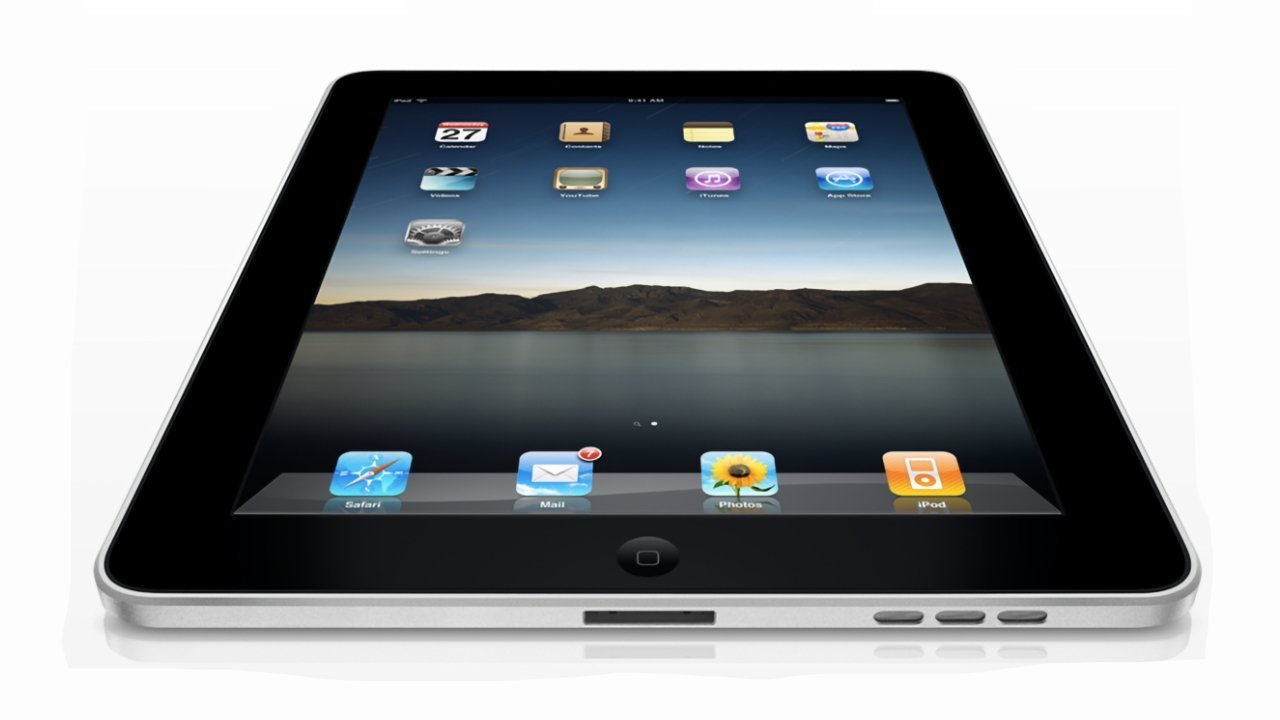
The original iPad may seem bulky now, but it was a sensation at launch — image credit: Apple
“I’m of the opinion and hope that this device is only released as a market test and placeholder for something more spectacular in the future,” wrote John C. Dvorak.
Perhaps the majority of the coverage of that original iPad was negative, including calling it a “big yawn.”
But few — if any — of these critics had actually even held an iPad. Come April, it would become a different story.
Success of the iPad
It’s still sometimes called a large iPhone. But then all tablets are now called iPads, the name has become the category.
So they’re all known by the public as iPads, just as pens are Biros and vacuum cleaners are Hoovers. And there must now have been several thousand different tablets since the iPad was launched — and since the iPad was a hit.
The thing is, you can’t remember any of the rivals. Blackberry did one, which was a staggering misfire, and Samsung has made countless ones. Samsung also disputed that 2004 patent of Apple’s, but seemingly to no avail.
Only Microsoft appears to have made tablets whose names are well known. The Microsoft Surface is the closest thing to an iPad rival, though back in 2021 it was revealed to still be selling startlingly poorly.
Only Apple keeps beating the iPad
While the original iPad continued to be sold until 2012, it was superseded the year before by the March 2011 release of the iPad 2. That featured the same 9.7-inch screen, but it was lighter, thinner, it was also faster than the original — and it added cameras.
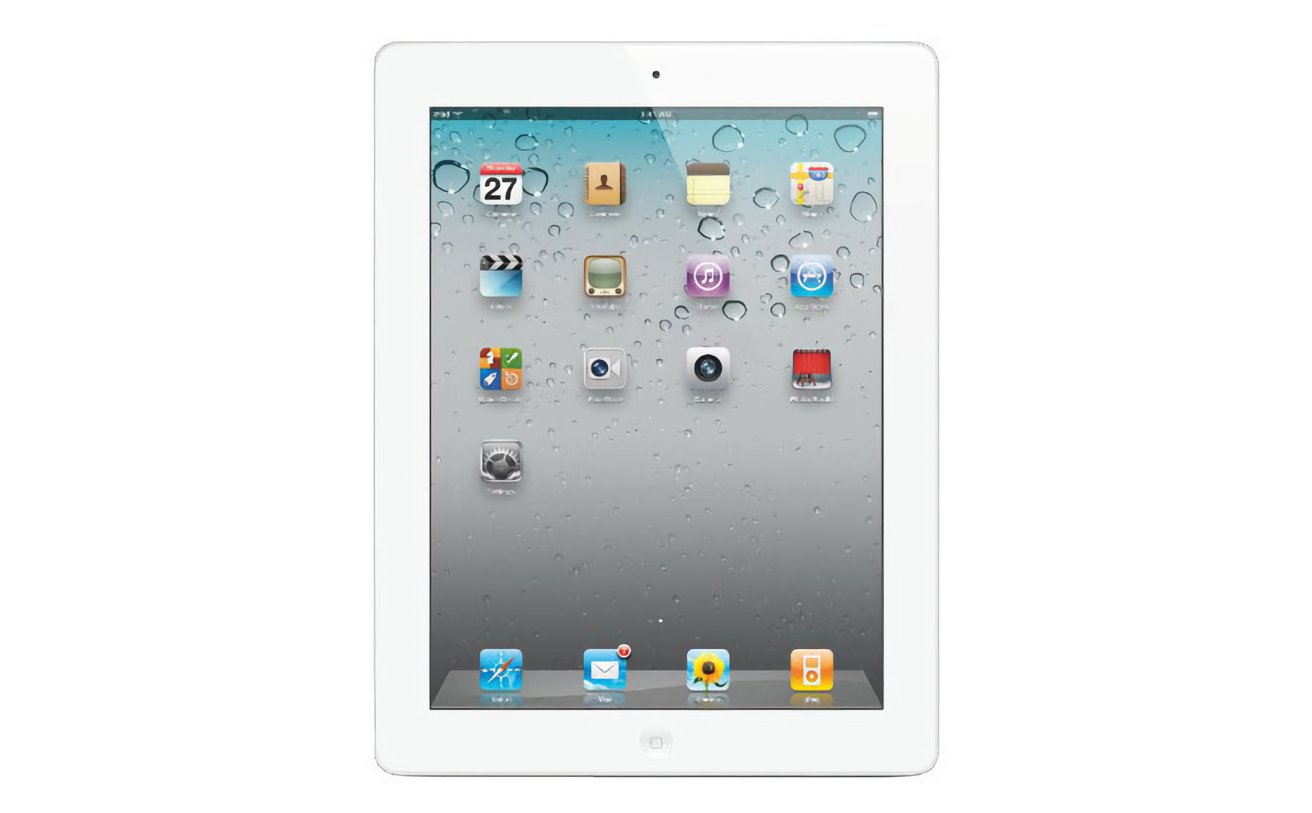
Apple’s iPad 2 — image credit: Apple
A more visible change came with the iPad 3 in March 2012, although Apple didn’t put a version number in the name. Instead, it was just the new iPad, but what was key was that it brought a Retina display to the tablet.
It probably holds the record, though, for the fewest number sold — because Apple very quickly discontinued it. The iPad 3 is said to have had the shortest lifespan of any iOS device, as it was replaced by the iPad 4 in October of the same year.
The iPad gets mini
The regular iPad has continued to iterate through a total now of 11 versions, each getting faster and at times better screens. But that model is really still close to the original in form, it’s just a lot thinner.
Where Apple broke away from that form was in October 2012, when alongside the iPad 4, it launched the first-ever iPad mini. Described as being “thin as a pencil,” it was 68% lighter than the iPad 4, and had a 7.9-inch screen.
It also had Siri, which at this point the iPhone had, but the regular iPad did not.
Also at this point, it seemed as if Apple saw the iPad mini as the one for people who wouldn’t spend the money on a regular iPad. As Phil Schiller announced them, the iPad 4 started at $499, and the iPad mini was $329.
Much later, Apple would realise that the smaller size was a bonus for some people. Rather than being a cut-down iPad, it was a more convenient size — and people were willing to pay extra for that.
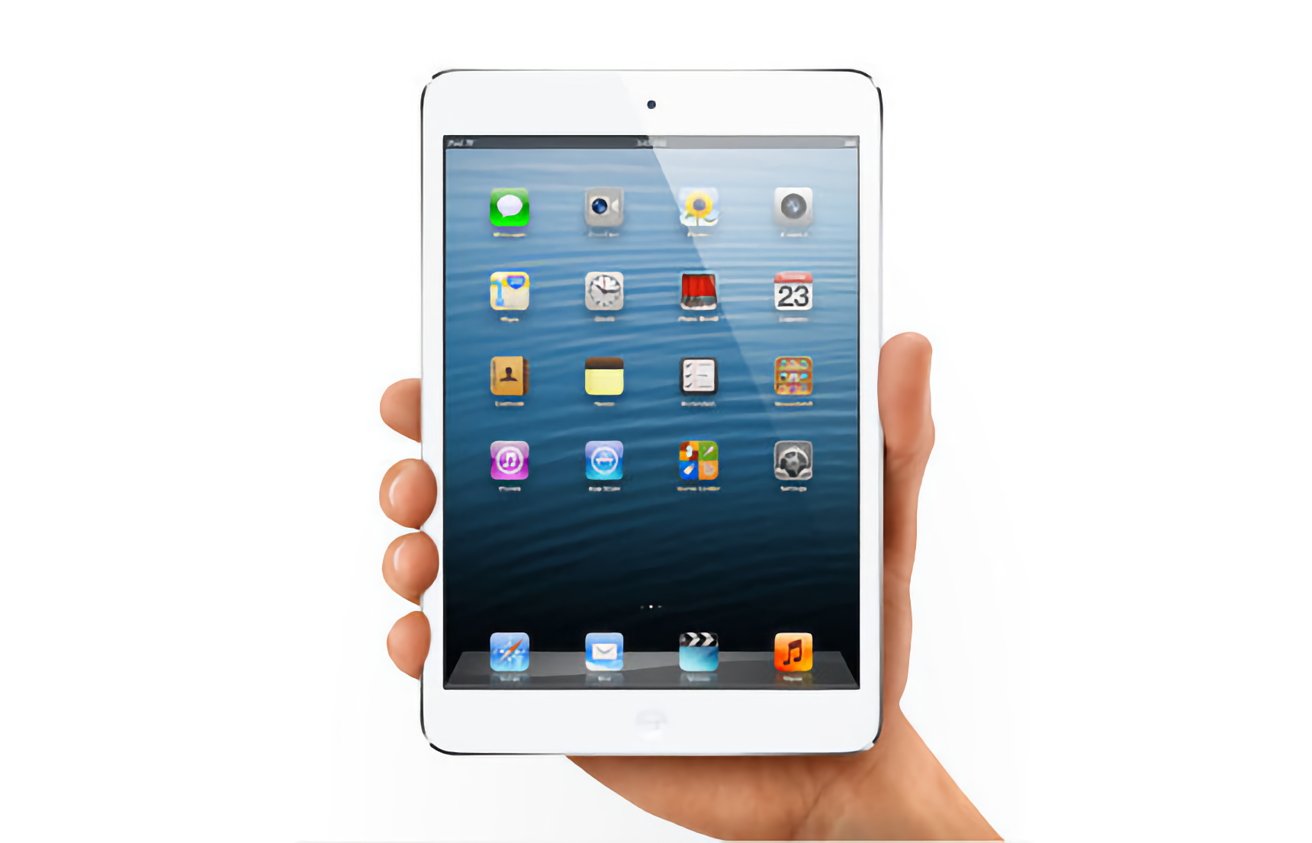
Apple’s first iPad mini— image credit: Apple
So starting with the iPad mini 6 in 2021, Apple flipped the prices around. The iPad mini 6 started at $499, while the regular iPad became $329.
There was more to it than that, as Apple also boosted all of the specifications of the iPad mini. But from that point, it was no longer the low-cost entry iPad, and seemingly never will be again.
Shaking up the range
By 2013, the range was established with a regular iPad and the new iPad mini, but it wouldn’t stop there. For in October 2013, Apple added the first iPad Air — and it was a hit.
Using the then-new A7 processor, it performed faster than previous iPads. It was also half a pound lighter, was thinner, and had narrower bezels on the screen.
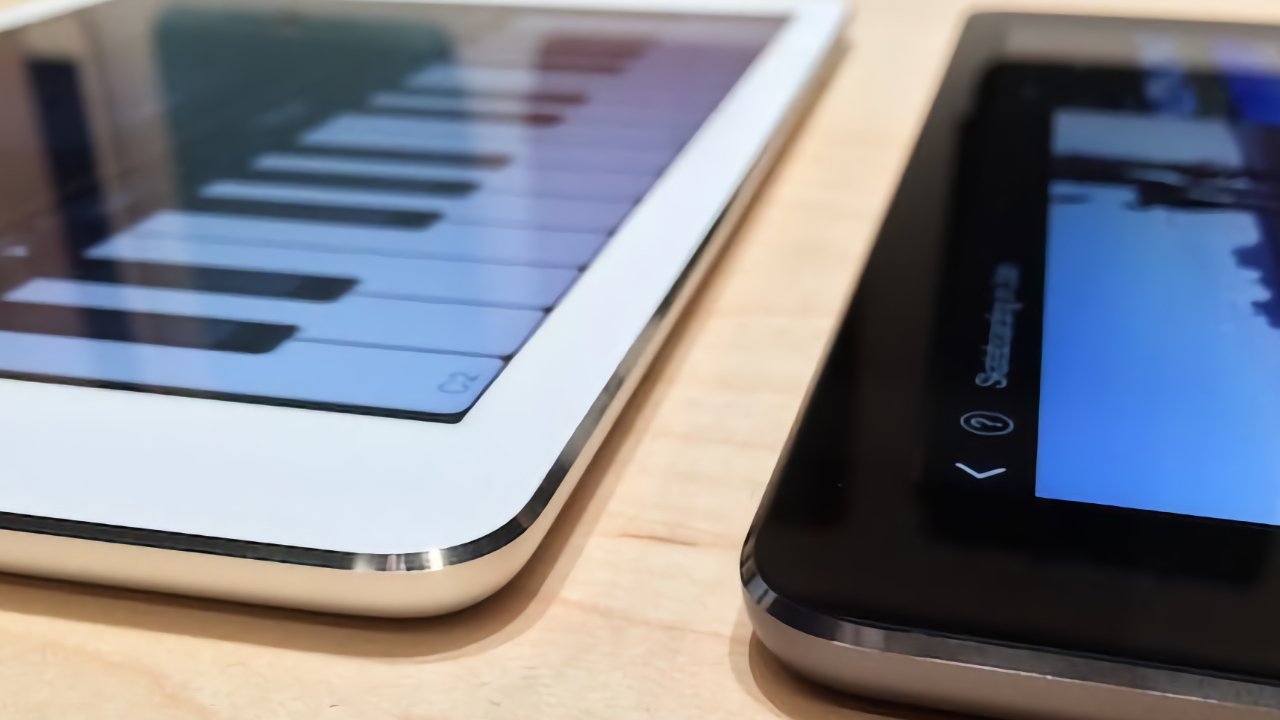
The first iPad Air (left) was so slim next to the older iPad
So for a time, users had the choice of the low-cost iPad mini, the regular iPad, and the faster iPad Air. That would last until September 2015, when Apple added one more iPad.
This was the first iPad Pro, and the first iPad with a 12.9-inch screen (today called a 13-inch one). In use, it felt like having two regular iPads side by side, and with an A9X processor, plus 4GB RAM, it also felt fast and responsive.
It felt like a pro device, and instantly reduced all of the other iPads to being consumer ones. Right from the start, the iPad had been criticized as being more for media consumption than working on, and the iPad Pro was one effort to change that.
Apple also decided to charge what, at the time, felt like Pro prices. The original 12.9-inch iPad Pro cost $799.
Just as with the iPad mini, though, the success of the iPad Pro let Apple both develop it, and increase its price. Today the 13-inch iPad Pro starts at $1,299.
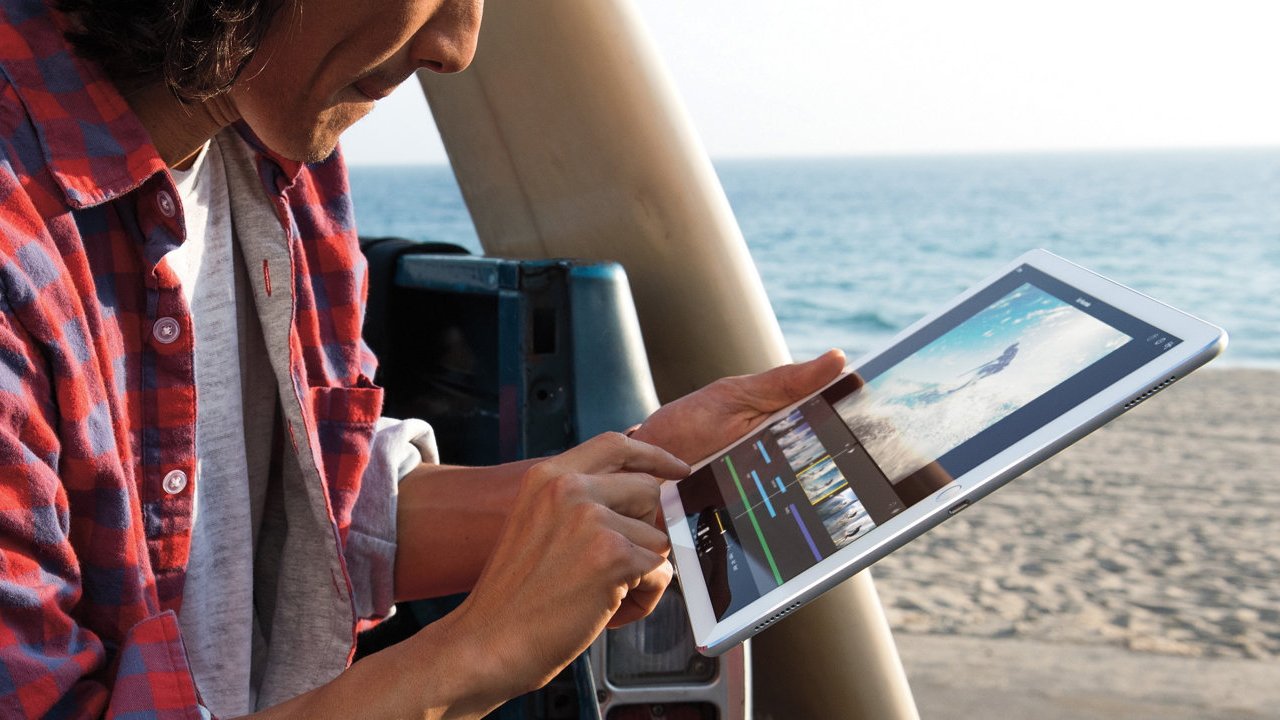
The first iPad Pro seemed huge — image credit: Apple
To go with the larger display and the emphasis on more creativity apps, the original iPad Pro launch was also when Apple introduced the Apple Pencil.
Expanding and updating the iPad
In 2018, there was another instantly visible change as the third generation of the iPad Pro introduced Face ID. Like the iPhone X before it, the then-new iPad Pro also shed the famous Home button.
This arguably made more of an impact on the iPad because now that huge screen was all-display. The iPad Pro felt — and still today feels — like you’re working on a sheet of glass.
By 2020, though, the iPad Air was also all-display. However, it lacked, and still lacks, Face ID, and has to be unlocked with Touch ID on the sleep/wake button. Then in 2021, the same all-screen and Touch ID button came to the iPad mini, and in 2022, the regular iPad got it all too.
Confusing lineup
With four types of iPad available, it can look as if Apple has carefully aimed at every segment of the market. It will never make a cheap one, for instance, but the regular iPad is lower cost than the rest yet still a good buy.
Only, when the regular iPad got Touch ID on the button and all-screen display, AppleInsider said that it was a decent upgrade, yet a bad change to the lineup. That was because Apple kept selling the previous model, meaning there were now two base iPads at slightly different prices.
Still, in 2022, this meant that you could have a fractionally lower entry into iPads. True, you might also have to decide between the iPad mini and the iPad Air with little to go on except that one was smaller than the other.
But as always, if you needed a larger screen, then you had to buy the iPad Pro.
Until 2024, that is, when Apple muddied the waters again. It introduced a 13-inch version of the iPad Air.
No question, that 13-inch iPad Air cannibalized sales of the 13-inch iPad Pro. It seems that Apple may have presumed that iPad Pro users would upgrade because that 2024 version had an OLED screen.
Instead, the OLED screen only seemed to matter to people who had and appreciated it. It didn’t seem to spark any kind of sales drive.
Examine the 13-inch iPad Air and the 13-inch iPad Pro side by side, though, and you will want the latter. Its screen is much better, its performance is much faster.
Only the $500 price difference will persuade you to choose the iPad Air. Or put another way, you have to really want the iPad Pro to spend half a grand more on it.
Looking back
Examining the iPad models in retrospect, there is a clear progression of performance. Arguably there is also a clear deterioration into an ever more confusing lineup, but at least there’s a lot of choice.
As you lived through the years since the iPad first came out, though, the story seems different. There were long patches where Apple appeared to forget about the iPad, then short bursts when it was the favored child again.
We may be in one of those bursts now. In 2025, iPadOS had a more dramatic and more useful update than ever before.
Then in 2026, Apple launched its Apple Creator Studio. While that bundle of creator apps is across both the iPad and the Mac, it’s brought Pixelmator Pro to the iPad for the first time.
There are hardware features that iPad users would like, such as a second USB-C port. And there are app features that are being cried out for, such as the now long-promised background rendering in Final Cut Pro for iPad.
Apple still will never say what’s slated to come next. But at least it’s far from denying that the iPad is important.